

Friday (3-27-26), we made the 30-minute drive to Cleveland, TN, in search of the scheduled Wienermobile. Since 1988, over 400 college graduates have become “Hotdoggers” selected to drive Wienermobiles for a year representing Oscar Mayer.

This Wienermobile is 11′ high, 27′ long, 8′ wide, and weighs 14,050 pounds. It was assembled by Spartan Motors in Charlotte, MI, and is powered by a 6-liter, V-8, 300 Vortec with a 6-speed transmission. Carl Mayer designed the first Wienermobile to hit the road in 1936. Inside are 6 mustard and ketchup colored seats and a blue sky ceiling.
Red Clay State Historic Park marks the location of the Cherokee government’s seat from 1832 to 1838. The Cherokee people moved here from New Echota, Georgia, after another in a long list of treaties with white settlers was broken. The “Trail of Tears” began from the Red Clay Council Grounds where Cherokee were forced to forfeit their native lands, abandon most of their belongings, and trek to Oklahoma.
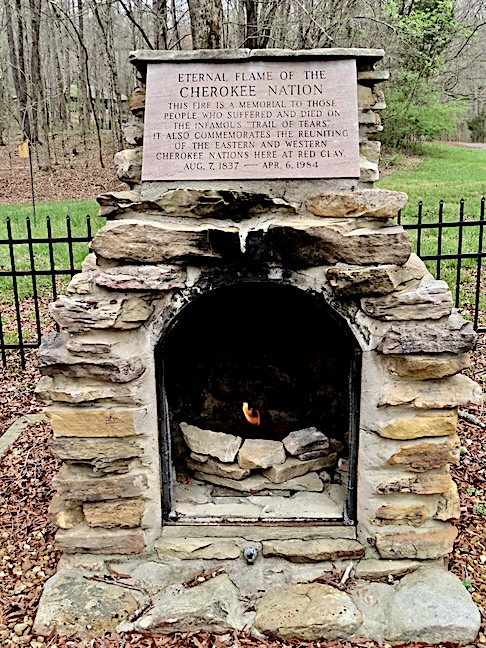
The Eternal Flame of the Cherokee Nations burns for the 4,000 Cherokee who died from exposure, starvation, and exhaustion at the rate of 4-5 per day, along their brutal journey. It also commemorates the unification of the eastern and western Cherokee tribes at Red Clay, TN.
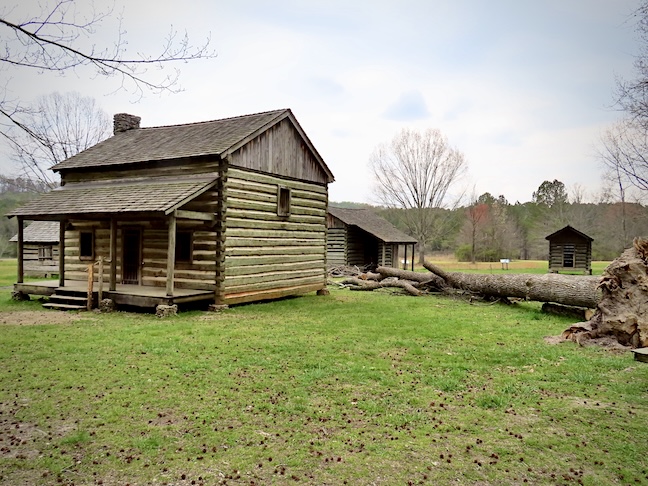
The Cherokee living in the Red Clay area were eager to assimilate, adopt white men’s ways, and build farmsteads like white settlers. They were good farmers, learned blacksmithing, raised livestock, and made money trading.
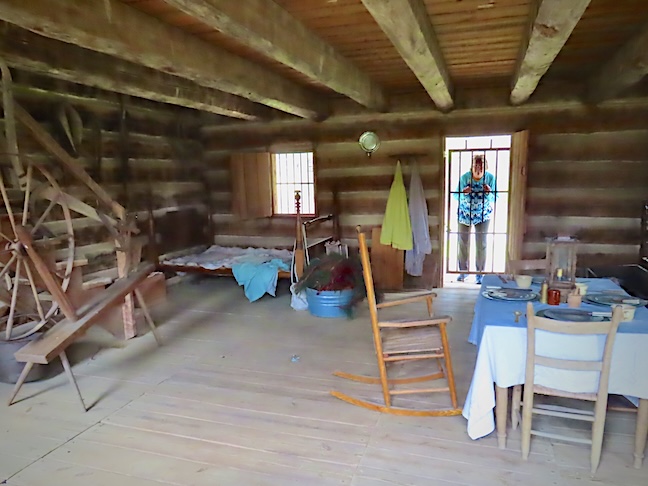
Cherokee used spinning wheels, slept in beds, and ate at tables using dishes and utensils.
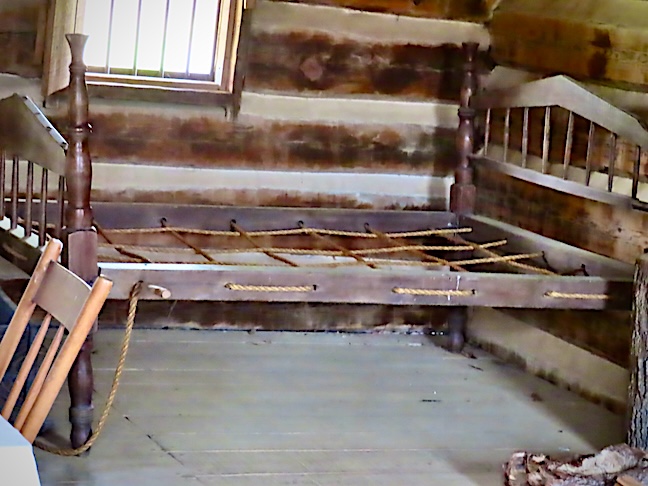
Ropes were used instead of wooden bed slats and needed constant tightening as the ropes stretched with use. It’s believed that the saying “sleep tight” was derived from this practice.
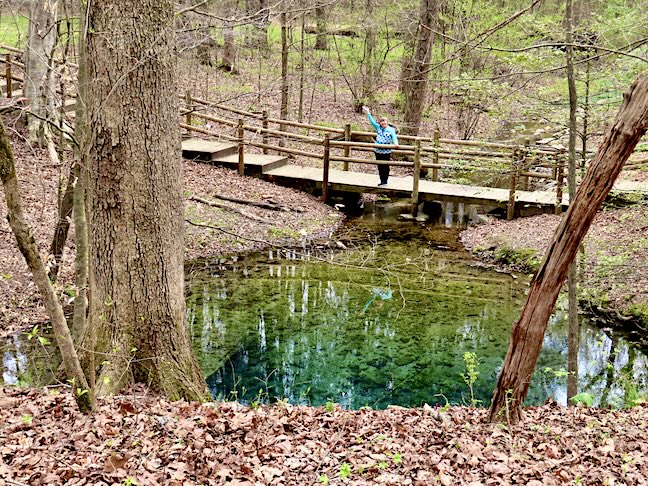
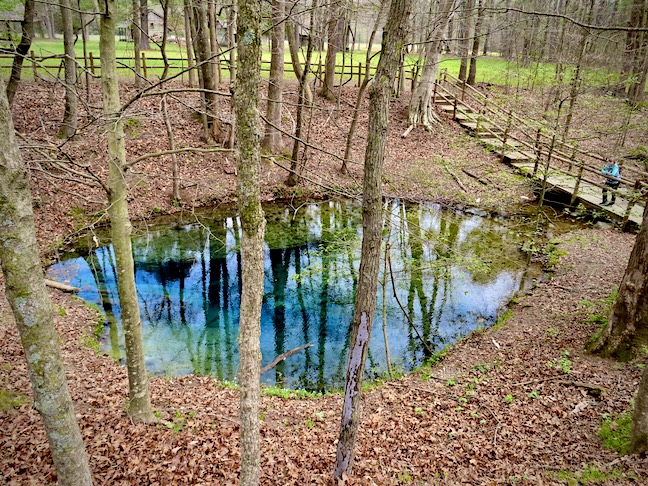
Blue Hole Spring is one of many in this area and is featured in the park. The crystal-clear water is 14 feet at its deepest and pumps out 500,000 gallons of water a day, which is 300 gallons a minute. It was safe to drink when the Cherokee lived here, but now it tests positive for coliform bacteria.
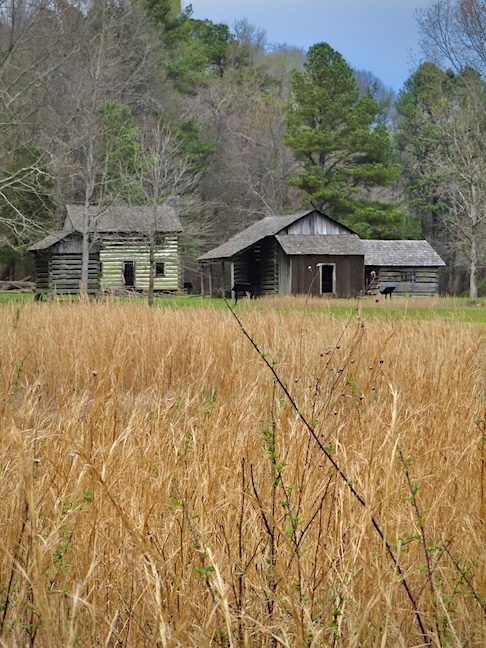
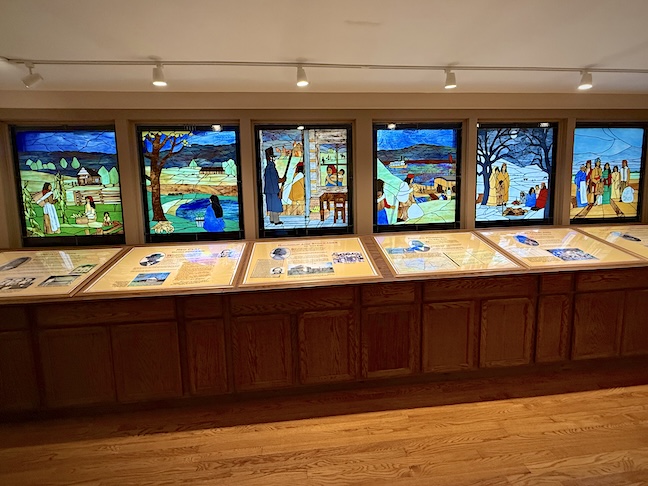
Red Clay State Historic Park sits on 263 acres and is located in southeastern Bradly County, TN, just north of the Georgia Border. The Visitor Center is well-maintained, has large, clean restrooms, a gift shop, and plenty of parking. The historic exhibits documenting the Cherokee way of life here and their devastating removal are enlightening and contain a wealth of information on the Trail of Tears, the forced migration of this land’s native people.